The Future of Welding: Latest Tools & Technologies in 2026
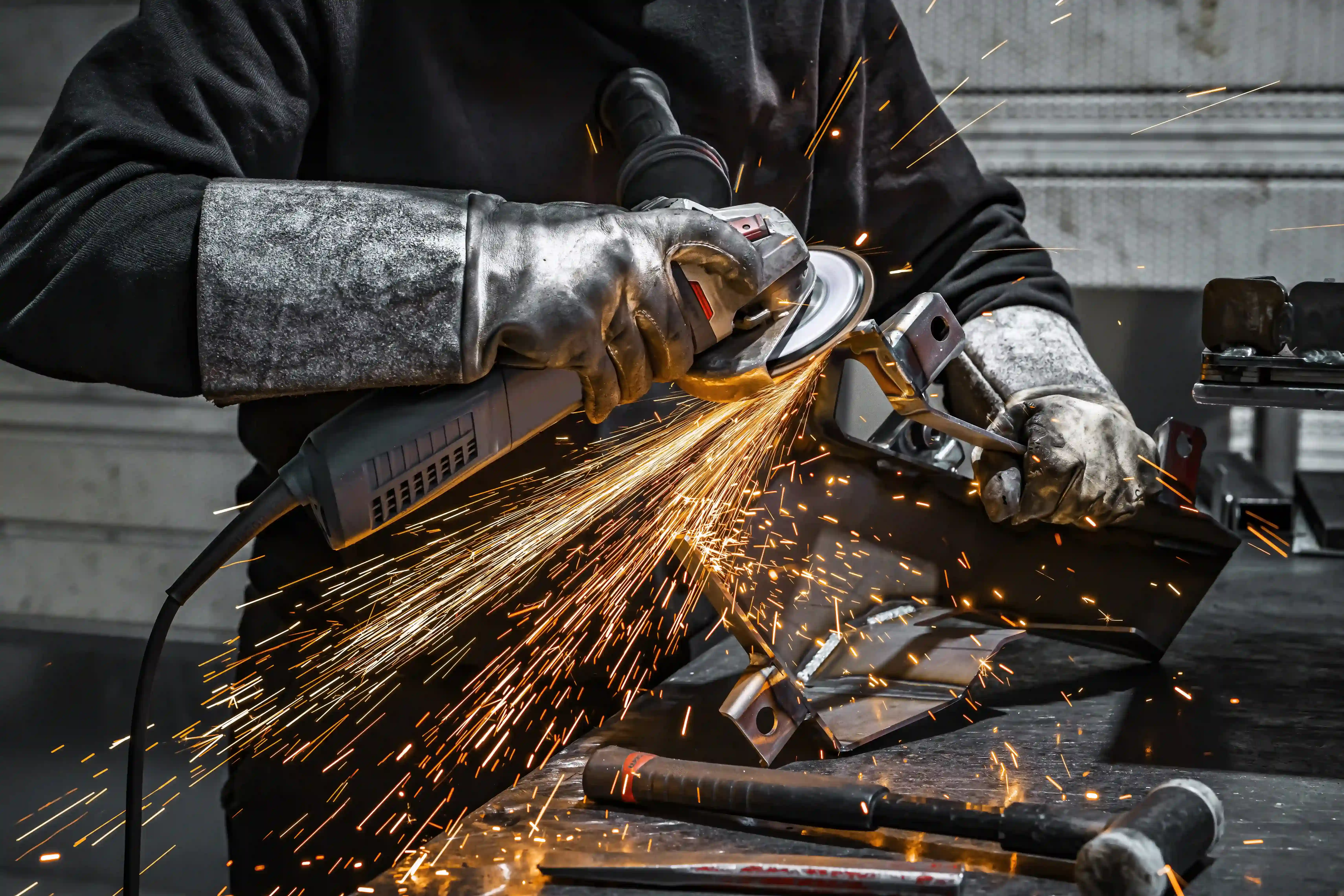
Welding has traditionally been seen as an incredibly skill-intensive, manual trade. However, as we move through 2026, the welding industry is experiencing a massive technological renaissance. Driven by artificial intelligence, robotics, and advanced material sciences, the way we join metals is evolving at an unprecedented pace.
Whether you're managing a large fabrication shop in Dammam or a boutique repair center, staying ahead of these trends is crucial to maintaining a competitive edge. Here is a look at the latest welding tools and technologies shaping the future of welding.
1. Collaborative Robots (Cobots)
While heavy industry has used massive automated welding robots for decades, 2026 is the year of the "Cobot." These collaborative robots are smaller, highly adaptable, and designed to work physically alongside human welders safely. They don't require complex programming languages; instead, many can be "taught" a weld path by a human simply guiding the robotic arm by hand. This makes automation accessible even for small-to-medium-sized shops doing low-volume, high-mix production.
2. Advanced Laser Welding Systems
Laser welding is leaving the specialized, high-tech factories and becoming mainstream. Handheld laser welding systems offer incredible speeds—often up to four times faster than TIG welding—with vastly reduced heat-affected zones (HAZ). This means less warping in thin materials and drastically lower post-weld cleanup times. As prices drop, more general fabricators are adopting this previously exclusive technology.
3. Smart and Connected Welding Machines
The concept of "Industry 4.0" is thoroughly embedded in modern welding equipment. Today's high-end machines are equipped with Wi-Fi and Bluetooth, feeding real-time data to cloud dashboards. Managers can instantly review arc-on time, deposition rates, and parameter deviations. This connected ecosystem helps in predictive maintenance—alerting users to replace torch consumables before they inevitably fail and cause a defect.
4. Next-Generation Auto-Darkening Helmets
Personal Protective Equipment is also getting a tech upgrade. Modern auto-darkening helmets now feature massive, panoramic viewing areas with "True Color" technology that lets welders see their puddle in startling clarity compared to the green tint of the past. Moreover, premium helmets are now incorporating Heads-Up Displays (HUDs) projecting real-time amperage, voltage, and wire speed directly into the welder's field of vision.
5. Virtual Reality (VR) Training
With the ongoing skilled labor shortage, training new welders is a massive priority. Virtual Reality training systems allow students to practice their muscle memory, torch angles, and travel speeds without burning through expensive materials, shielding gas, and electricity. It offers instantaneous feedback on technique, dramatically accelerating the learning curve for novices.
Conclusion
The modernization of welding is happening rapidly. By embracing Cobots, handheld laser welders, smart data tracking, and cutting-edge PPE, businesses in Saudi Arabia can boost their productivity, reduce costly rework, and create a safer, more engaging environment for the next generation of welding professionals.